Higher Education Furniture in Hawaii: Creating Spaces for Learning and Connection
College and university campuses feature a variety of learning environments, each with their own purpose. Classrooms and lecture halls support group instruction, libraries offer places for focused study, collaboration, and research, and student commons serve as gathering spots between classes. The furniture in each space plays an important role in how students, faculty, and staff use it, from supporting comfort and technology access to making room for different activities. Higher education furniture in Hawaii should reflect each space’s purpose, users, and daily needs. The Systemcenter helps colleges and universities bring those elements together through coordinated furniture, storage, and space planning solutions.
Lecture Halls and Classrooms Designed for Learning
From traditional lecture halls to flexible classrooms, higher education learning spaces need furniture that supports different teaching styles and classroom activities. Seating, work surfaces, sightlines, and room layouts all contribute to an environment where students can focus and instructors can teach comfortably.
Fixed seating and desks may suit traditional lecture rooms, while movable tables and chairs offer flexibility for group work, discussions, and changing classroom layouts. Work surfaces, power access, and clear views of presentation screens also play a role in supporting today’s technology-enabled learning environments.
The Systemcenter works with colleges and universities across Hawaii to identify furniture solutions that align with classroom needs, project specifications, and campus schedules. Our team can also coordinate product procurement, shipping, delivery, and installation to help keep classroom projects moving smoothly.
Libraries and Student Commons Support Focus and Connection
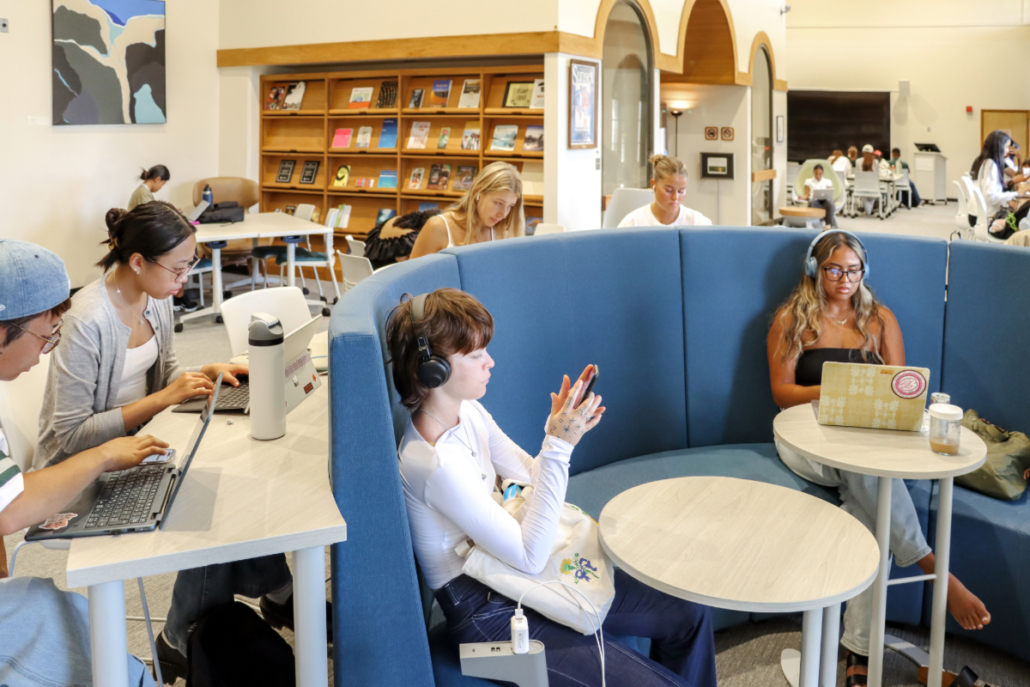
Today’s college and university libraries serve many purposes beyond traditional study. They bring together quiet study areas, computer stations, research spaces, makerspaces, and collaborative learning environments. Student commons offer similar opportunities for connection, with comfortable seating and flexible spaces where students can gather, work, or take a break between classes.
The University of Hawaii Maui College Library is one example of how furniture can help bring different learning activities together. The Systemcenter furnished the college’s second-floor library, which features a makerspace, computer zone, and dedicated study areas. The project demonstrates how furniture can support a variety of activities within one shared environment.
For libraries and student commons, furniture selection can help define different zones while supporting comfortable movement throughout the space. Collaborative tables, lounge seating, mobile furniture, and integrated storage can accommodate everything from individual study to group projects and informal gatherings.
Dormitories and Computer Labs That Support Everyday Campus Life
Student housing and computer labs each bring unique furniture and storage needs. Dormitory furniture should make practical use of available space while accommodating sleeping, studying, and personal storage. Standardized room layouts and furniture selections can also help colleges and universities plan quantities and coordinate furnishings across multiple residence hall rooms.
Computer labs and technology classrooms call for furniture that accommodates computers, monitors, seating, power access, and everyday classroom activities. Whether a space uses permanent computer stations or flexible workstations, the right furniture helps create an organized and comfortable environment for students and instructors.
With experience across a range of higher education environments, the Systemcenter helps campus teams identify furniture and storage solutions that support their spaces, users, and day-to-day operations.
Hawaii Procurement and Shipping Belong in the Schedule
Furniture projects for Hawaii colleges and universities involve more than selecting products. Procurement, manufacturing lead times, ocean freight, receiving, delivery, and installation all play a role in bringing a project together.
Coordinating these details early helps campus teams align furniture schedules with academic calendars, facility upgrades, and planned move-in dates. It also allows for better planning around available receiving and storage areas, particularly for campuses managing multiple rooms or phased installations.
For public colleges and universities, purchasing requirements and available contract purchasing options may also be part of the process. The Systemcenter can help coordinate product information and procurement details to support the institution’s purchasing process.
The Systemcenter Connects Campus Planning Through Service
Creating successful campus environments takes coordination across many people and project details. The Systemcenter brings together space planning and design, product selection, project management, procurement coordination, delivery, installation, and ongoing service to support higher education projects from start to finish.
Whether you’re furnishing a classroom, refreshing a college library, planning student housing, or coordinating furniture for an entire university campus, our team works alongside facilities managers, procurement specialists, architects, designers, and campus decision-makers to bring each project together.
Our services include complimentary space planning and design, 3D renderings, product specification, project coordination, delivery and installation, and warranty and service support. With experience supporting education projects throughout Hawaii, we understand the importance of coordinating each step with your facility requirements and project timeline.
From a single classroom to a multi-space campus project, the Systemcenter helps colleges and universities create spaces where students, faculty, and staff can learn, connect, and do their best work.
Explore our higher education furniture and storage solutions in Hawaii or contact the Systemcenter to discuss your next campus project.