Helping Education Spaces Keep Pace with the Changing Needs of Learning

Walk through almost any school today and you’ll notice something has changed. Spaces once designed for a single purpose are now expected to support many.
Across K–12 schools, colleges, and universities, learning spaces are being reimagined to respond to shifting enrollment, tighter budgets, evolving teaching methods, and advances in technology. Rather than expanding their footprint, many schools are finding new ways to make existing spaces work harder by supporting multiple uses throughout the day.
Across today’s campuses, spaces once designed for a single purpose are being reimagined to support many. Libraries are becoming learning commons, classrooms transition between direct instruction and collaborative learning throughout the day, and shared spaces accommodate everything from independent study to presentations and group projects.
Together, these changes are helping schools create learning environments that continue supporting students, educators, and evolving campus needs for years to come.
Planning for Changing Campus Needs
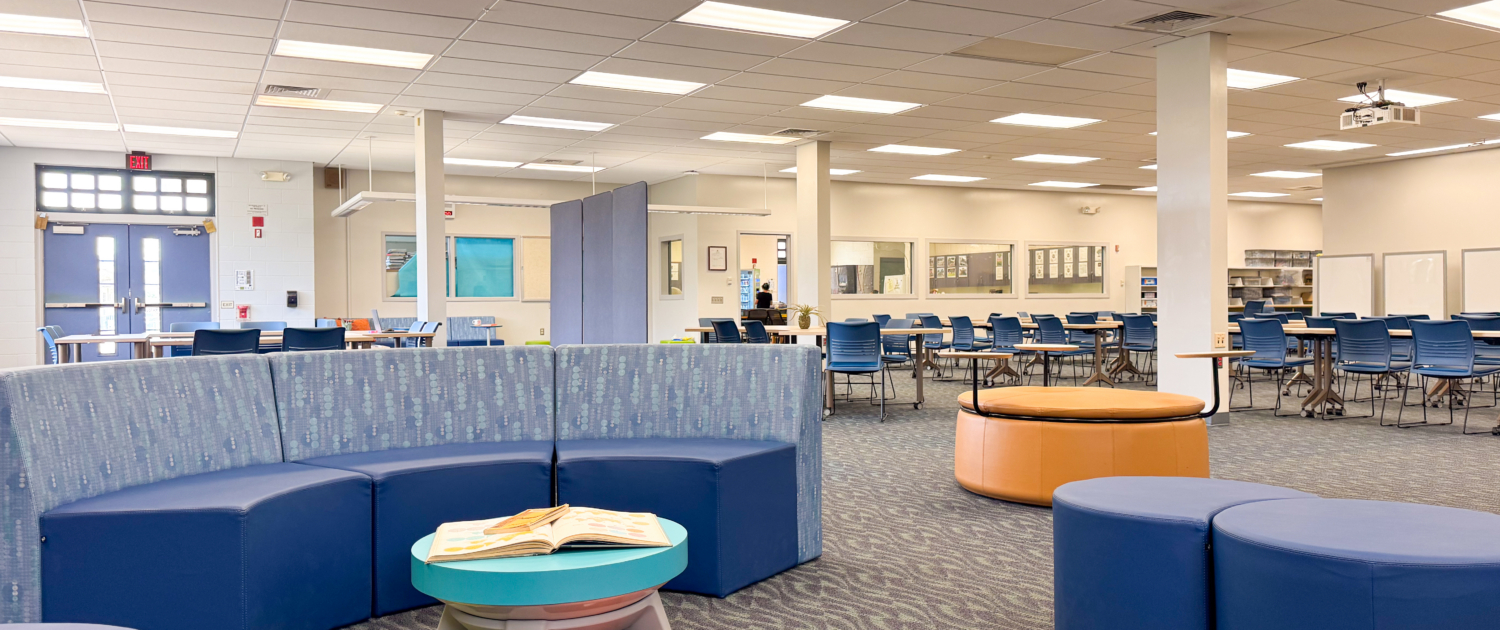
Schools across the country are navigating changing enrollment, evolving academic programs, and increased pressure to make every capital investment count. As construction costs continue to rise, many districts are choosing to rethink the spaces they already have instead of building new ones.
That shift is changing how education spaces are planned. A traditional library may also serve as a collaborative learning commons, professional development space, makerspace, or student presentation area. A classroom may need to support lecture-style instruction in one class period, small-group collaboration in the next, and community events after school.
When every square foot serves multiple purposes, schools gain more value from their existing facilities while creating learning environments that can evolve alongside changing enrollment and educational priorities.
Learning Has Changed, and Student Spaces Should Reflect That

Today’s classrooms support far more than traditional lectures.
Technology has become a natural part of everyday instruction, giving students greater access to information while creating more opportunities for collaboration, creativity, and personalized learning. At the same time, educators are embracing teaching methods that encourage discussion, hands-on exploration, project-based learning, and student engagement.
As instruction continues to evolve, classroom furniture and learning spaces must evolve with it.
Mobile tables, movable seating, writable surfaces, and adaptable classroom layouts allow educators to transition quickly between different teaching styles without interrupting the flow of instruction. Rather than designing a room around a single way of learning, schools are creating environments that can support many users.
Adaptive School Furniture Gives Schools More Ways to Use Their Space
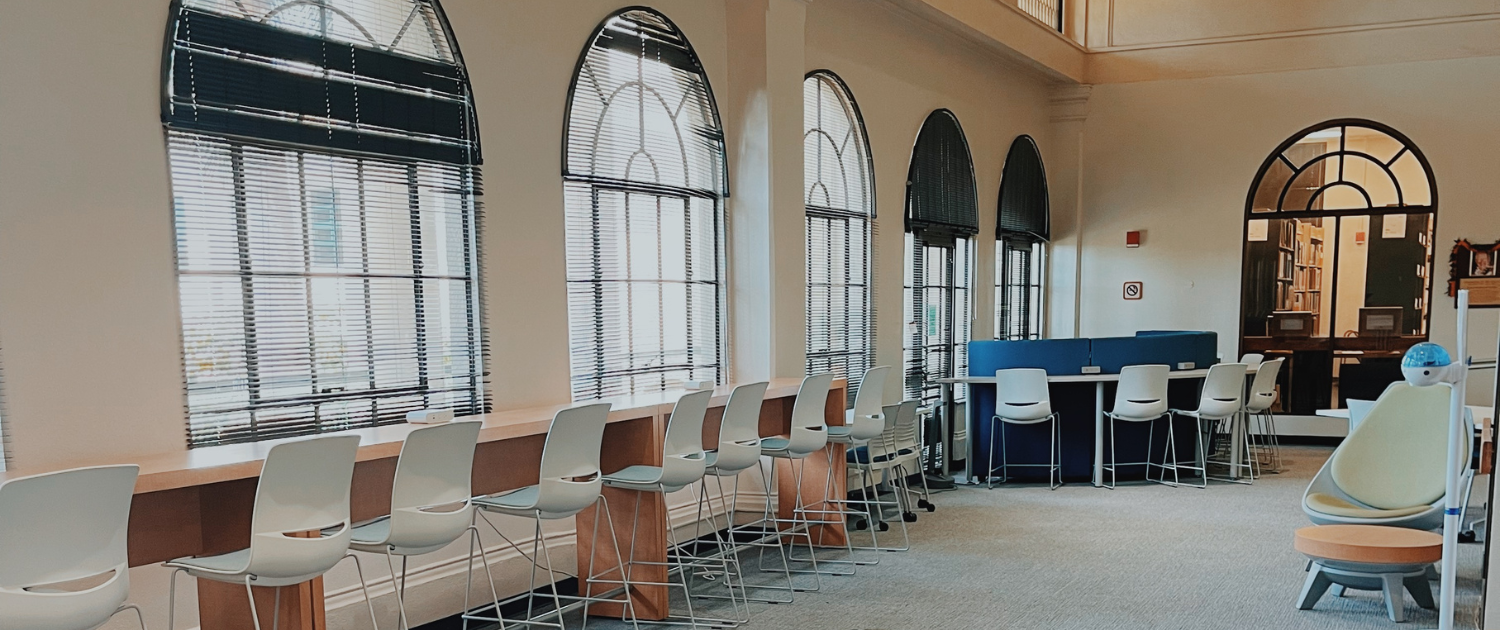
When people hear the phrase adaptive school furniture, they often picture chairs on casters or folding tables.
While mobility is certainly part of the equation, adaptability goes much further.
In an elementary classroom, adaptability might mean tables that separate into small learning groups before coming together for whole-class instruction. In a learning commons, it may include lounge seating for reading, collaborative tables for project work, presentation areas for guest speakers, and flexible furniture that can be rearranged for school events—all within the same space.
These adaptable environments allow schools to respond to changing enrollment, evolving programs, and new teaching methods without requiring costly renovations. They also help maximize every square foot while extending the life of existing facilities and making the most of every furniture investment.
Great Learning Spaces Put People First

The most successful education spaces are designed around the people who use them every day.
Comfortable spaces for focused work. Collaborative areas that encourage teamwork. Flexible seating that gives students more choice in how they learn. Thoughtfully designed education furniture supports different learning styles while creating spaces where students and educators feel engaged, connected, and supported.
These environments encourage focus, collaboration, creativity, and meaningful learning experiences throughout the school day.
It Starts With Asking the Right Questions

Every campus has its own priorities.
An elementary school planning for future enrollment has different priorities than a community college modernizing aging facilities or a university looking to maximize every square foot through high-density storage solutions so more space can be dedicated to the collaborative student environments that attract and support today’s learners. That’s why successful education furniture projects rarely begin with selecting products.
They begin by understanding how each space functions today, where it falls short, and how it can better support students, educators, and future campus needs.
The best education spaces begin with understanding the challenge before recommending a solution. That starts by asking questions like:
- Which spaces are underutilized throughout the day?
- How are students and educators actually using those spaces?
- Can one room support multiple activities without sacrificing functionality?
- How can we create greater flexibility within our existing footprint?
- Which improvements will continue delivering value five or ten years from now?
Working with an education space design consultant to answer these questions help schools make informed decisions that maximize their investment while creating more adaptable learning environments.
Helping Schools Plan for What’s Next

No two schools use their facilities the same way, which means every education furniture plan should reflect the goals of the students, educators, and programs it supports.
Whether you’re refreshing a single classroom, transforming a traditional library into a modern learning commons, or creating flexible learning environments that can adapt to changing enrollment, the best solutions begin with understanding how your spaces are used today—and how they’ll need to perform tomorrow.
At Systemcenter, we partner with school leaders, educators, architects, and facilities teams to design education spaces that maximize every square foot while supporting the evolving ways students learn. If you’re ready to create future-ready learning environments that serve your campus for years to come, contact our team to schedule a complimentary education space consultation.